Coffee is more than a beverage; in many cities, It's a social framework. Cafés shape everyday routines, influence urban style, and signal how a city understands time, work, and community. To understand a place’s espresso society will be to glimpse its further civic identification with me, Gus Woltmann.
Cafés as Urban Living Rooms
In several towns, cafés purpose as extensions of domestic Room—urban living rooms where non-public lifetime gently overlaps with public life. Unlike places to eat, which revolve all over meals and turnover, cafés are constructed around existence. An individual cup of coffee can justify one hour of sitting down, speaking, reading, or just observing the entire world pass. This very low-strain atmosphere makes cafés One of the more available types of shared House in city settings.
Their worth lies in versatility. People use cafés in another way during the day: a early morning end for schedule, a midday Conference spot, an afternoon workspace, or an night social environment. This fluidity allows men and women with various schedules, incomes, and applications to occupy precisely the same environment devoid of conflict. Students with laptops, retirees with newspapers, good friends in conversation, and solo people coexist effortlessly, developing a layered social atmosphere.
Physically, cafés condition the expertise of streets. Out of doors seating activates sidewalks, turning pedestrian locations into social corridors. The existence of seated people indicators protection and vitality, encouraging Other people to decelerate. Window seating connects inside and exterior lifestyle, letting patrons to observe the city when remaining sheltered. This visual permeability strengthens the sense that city everyday living is shared as opposed to fragmented.
Cafés also lower social isolation. They provide a middle ground involving being on your own and currently being in structured company. Normal website visitors come to be familiar faces, even when they never ever Trade names. Baristas recognize routines, making tiny times of acknowledgment that produce a refined sense of belonging. These repeated, minimal-intensity interactions support sort weak social ties—connections that, though casual, contribute substantially to a feeling of Neighborhood.
Economically, cafés are modest corporations, but socially they accomplish a public function. They offer Area devoid of demanding official membership, tickets, or appointments. In towns where by non-public households are small or workspaces are rigid, this openness is essential.
By supporting lingering instead of rushing, cafés inspire a slower, much more observant partnership with urban lifestyle. They produce locations exactly where individuals can exist with out instant objective, As well as in doing this, they humanize the town. By way of each day rituals of sitting, sipping, and sharing space, cafés become the dwelling rooms that provide urban environments warmth and continuity.
Time, Rate, and Efficiency
Espresso tradition reveals how a city understands time—not merely for a measurement, but for a lived knowledge. The best way folks drink espresso, just how long they stay, and whether or not the act is social or useful all signal deeper attitudes towards tempo and productivity. A cup of espresso turns into a small window right into a metropolis’s temporal philosophy.
In quick-paced city environments, coffee is often built-in into movement. People get swiftly, drink standing, or have cups to go. Cafés are made for performance: nominal seating, streamlined services, and layouts that encourage stream as opposed to lingering. Here, espresso supports productivity instantly. It truly is fuel, a stimulant that retains the workday moving. Time is segmented, and breaks are transient interruptions as opposed to significant pauses.
In contrast, towns with slower coffee traditions address the act as a pause crafted to the working day. Sitting down is predicted, not optional. Conversations unfold devoid of noticeable urgency, and repair aligns with this rhythm. The espresso crack gets a legitimate use of time, not a deviation from it. Efficiency, On this context, is not really measured only by output per hour but by sustainability—keeping energy, associations, and psychological clarity over more time durations.
These distinctions form city encounter. Wherever espresso is rushed, streets truly feel transitional, oriented towards Places. Exactly where it truly is gradual, public Area feels additional inhabited. People occupy as opposed to go through, developing a perception of continuity in daily life.
Coffee rituals also affect get the job done society. Extended coffee breaks can serve as informal Assembly Areas where by Suggestions are exchanged outdoors formal options. In speedier towns, professional interactions might continue to be additional scheduled and structured, with fewer room for spontaneous discussion.
Neither model is inherently exceptional; Each and every displays community financial pressures, social norms, and historic designs. On the other hand, the distinction highlights a critical difference: whether time is treated mainly as being a resource to optimize or as a medium by which lifestyle unfolds.
Via daily coffee habits, towns quietly Categorical their stance on this equilibrium. A straightforward cup, taken bit by bit or promptly, reveals how tightly or loosely the city day is held—and how people negotiate the connection concerning get the job done, relaxation, and presence.
Function, Creative imagination, and 3rd Spaces
Cafés usually function as what sociologists call “3rd Areas”—environments that exist among house (the first House) plus the office (the second). These configurations are neither thoroughly personal nor formally Expert, nonetheless they Enjoy a major function in how modern check here city perform and creativity unfold. Espresso culture, During this feeling, shapes don't just social daily life but additionally mental and economic exercise.
The charm of cafés as function environments lies of their stability of stimulation and autonomy. History sound, motion, and ambient discussion make a feeling of shared exercise with no direct interruption. This lower-level social existence can enhance concentration and reduce the isolation connected to Functioning by itself. For freelancers, remote staff members, and students, cafés present structure devoid of strict oversight—a location to be successful although continue to sensation Component of public daily life.
This environment encourages informal Trade. Discussions overheard, opportunity conferences, or spontaneous conversations at neighboring tables can spark Suggestions that not often arise in controlled Place of work configurations. Historically, cafés have already been connected to writers, artists, and thinkers for this reason: they provide publicity to numerous perspectives inside a comfortable framework. The location supports reflection while retaining persons linked to the energy of the city.
Cafés also decrease limitations to participation in Experienced lifestyle. Not Every person has entry to non-public places of work or co-working memberships, but a cup of coffee grants short-term entry into a practical workspace. This accessibility democratizes the place get the job done can materialize, allowing economic and creative activity to spread past corporate environments.
At the same time, the café imposes subtle limitations that may be effective. Seating is finite, distractions exist, and time is loosely bounded by social norms. These constraints can motivate target and stop the overextension That usually occurs in residence-based mostly perform.
By offering a middle ground in between domestic comfort and Expert formality, cafés shape how towns deliver Thoughts. They foster a lifestyle wherever operate and community existence intersect, and in which creativity is not confined to studios or places of work but woven into day-to-day urban rhythms.
Identity in a Cup
Espresso has become the smallest still most expressive markers of urban identity. Just how it is ready, served, and consumed demonstrates community heritage, style, and social values. A city’s most well-liked coffee fashion—whether shorter and robust, big and milky, sweet and spiced, or slowly brewed—reveals the way it balances tradition, modernity, and day by day ritual.
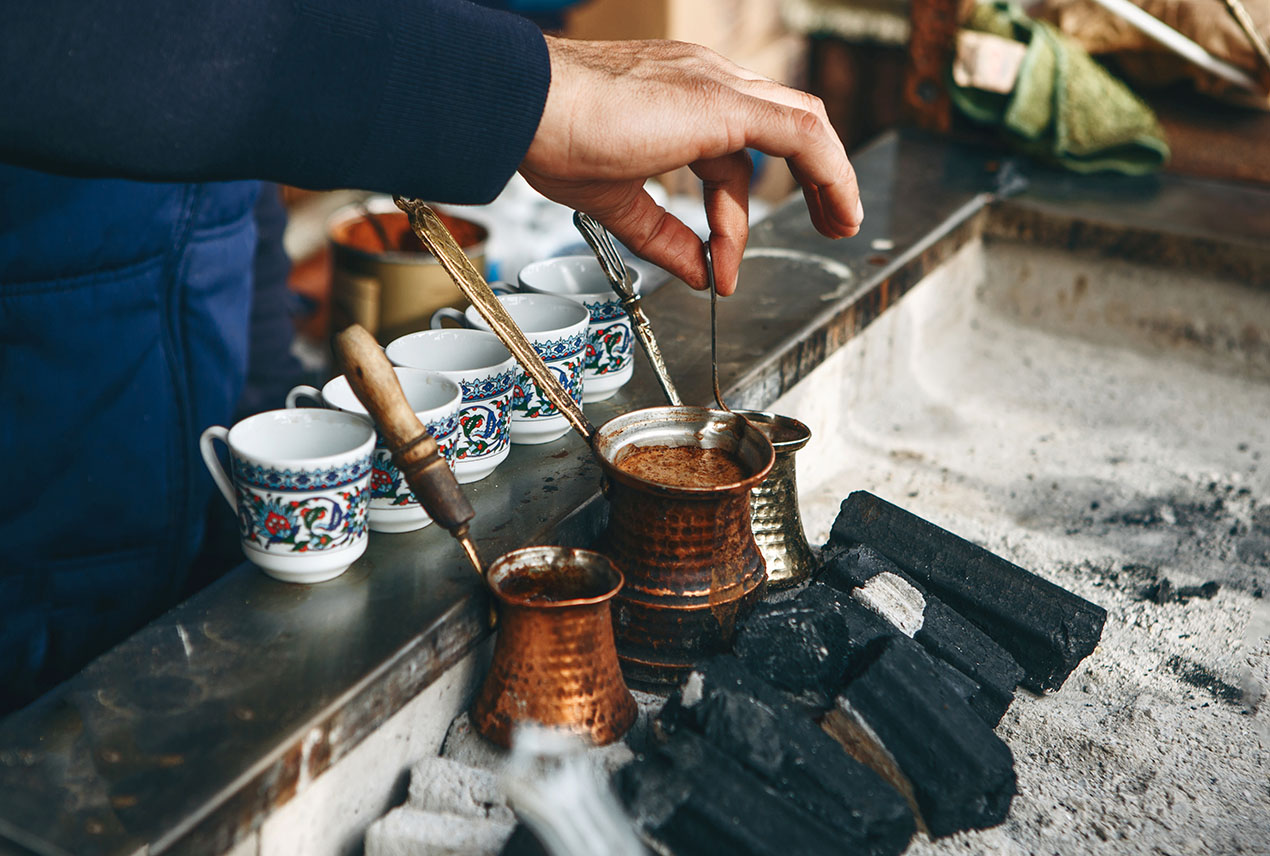
Planning techniques often have historical continuity. Very long-standing tactics, like stovetop brewing, filtered solutions, or finely ground preparations, join current-day drinkers to previously generations. These techniques come to be cultural signatures, distinguishing a single place from A different. Even the choice involving manual preparing and automated devices can signal attitudes towards craftsmanship and performance.
Serving type also communicates norms around hospitality and social conversation. Small cups may possibly suggest depth and brevity; larger servings can reveal comfort and extended existence. Whether or not espresso comes with water, sweets, or foam demonstrates expectations about generosity and sensory expertise. The vessel alone—glass, porcelain, paper, or ceramic—signals if the instant is disposable or meant for being savored.
Taste preferences more Convey identity. Some cities favor bitterness and energy, Many others sweetness and embellishment. Additions including spices, condensed milk, or flavored syrups generally trace back to trade routes, colonial histories, or neighborhood agricultural designs. As a result of taste, worldwide influences develop into localized traditions.
Espresso terminology gets to be Section of city language. Recognizing how you can buy effectively marks insider position, whilst unfamiliarity can signal outsider presence. In this way, espresso lifestyle makes subtle social codes that shape belonging.
In the end, coffee rituals condense a metropolis’s character into a day-to-day act. They clearly show how people relate to time, pleasure, and community. Even though consumed in minutes, a cup of coffee carries layers of cultural that means, quietly expressing who a metropolis is And just how its persons shift in the working day.